इंटीग्रेशन
अपने ऐप के लिए ज़रूरी सेवाएँ कनेक्ट करें।
MeDo से बाहर जाए बिना भुगतान, डेटा, AI, पब्लिशिंग और बाहरी API जोड़ें।
डेटा और सेवाएँ
बनाएँ और लॉन्च करें
समाधान
सभी समाधान
जिस तरह का ऐप बनाना चाहते हैं उससे शुरू करें, फिर उसे अपने वर्कफ़्लो के अनुसार ढालें।
लोकप्रिय
टीमों के लिए
कंपोनेंट्स
एक-एक कंपोनेंट जोड़कर पूरा पेज बनाएँ।
वेबसाइट के किसी भी सामान्य सेक्शन के लिए सटीक प्रॉम्प्ट कॉपी करें और उसे MeDo में जनरेट करें।
UI कंपोनेंट
नेविगेशन और फ़ीडबैक
पेज सेक्शन
संसाधन
आइडिया, जवाब और वास्तविक उदाहरण।
देखें MeDo क्या बना सकता है, अलग-अलग तरीकों की तुलना करें और जानें कि AI ऐप बिल्डिंग कैसे काम करती है।
एक्सप्लोर करें
सीखें
लोकप्रिय तुलनाएँ
ब्लॉग
AI से ऐप बनाने पर व्यावहारिक लेख — पहले प्रॉम्प्ट से प्रकाशित उत्पाद तक।
Compare the best AI design skills by the gap they fix: direction, taste, design systems, reference extraction, auditing, or visual verification.
The best AI component generators compared: v0, Claude, 21st MCP, Make Your UI, and MeDo Components — turn prompts or screenshots into production UI code.
Best 21st.dev alternatives for AI builders: shadcn/ui, Magic UI, Aceternity, ReUI, and MeDo Components — which registry fits your workflow.
MeDo Components is live: type a prompt and get a production-ready React + Tailwind UI block — navbar, pricing table, hero — for any AI builder.
The best React component library in 2026 depends on who owns the code. Compare shadcn/ui, MUI, Radix, Magic UI, 21st.dev, and MeDo Components.
A React component library is a collection of pre-built UI blocks — buttons, forms, navigation — you drop into your app. Here's what they are.
Create reusable Tailwind components two ways in 2026: write them with class-variance-authority, or describe them and let an AI generator produce the code.
Most Tailwind components are free, but 'free' hides different cost models. Compare MIT libraries, paid kits like Tailwind Plus, and AI generators in 2026.
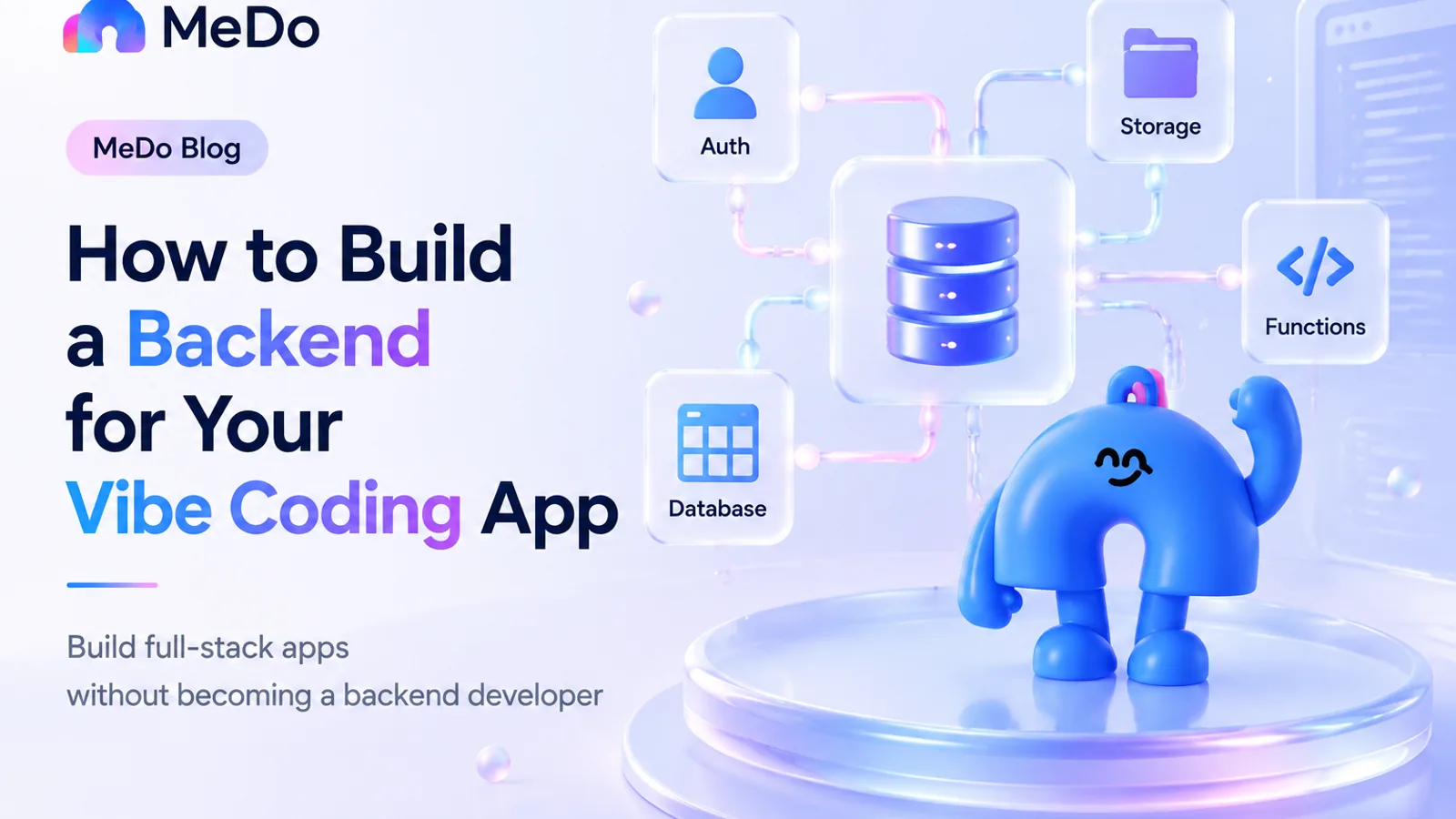
Learn how to give your vibe-coded app a real backend with a database, authentication, secure API connections, and server-side logic—without becoming a backend developer first.
An AI UI generator turns plain English into interface code. Here's how it differs from app builders, component generators, and no-code.
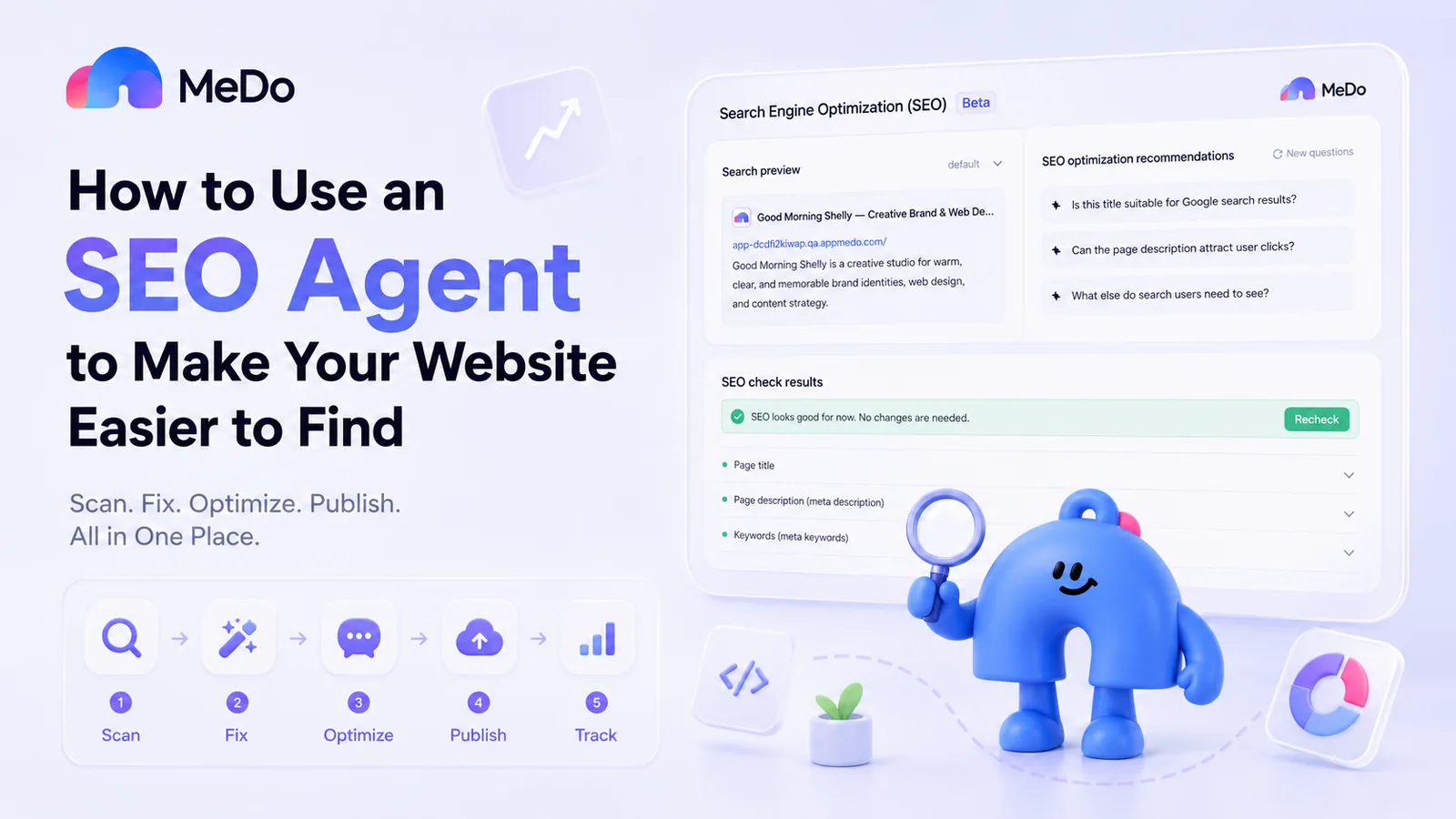
Run a website SEO audit, fix detected issues, and track organic search performance without leaving your project. A walkthrough of MeDo's built-in AI SEO Agent.
A complete guide to publishing your AI-built app on the App Store and Google Play. Learn about developer accounts, app packaging, submission requirements, and how to turn your app into a real product users can download.
Best AI app builders for 2026 compared: MeDo, Lovable, Bolt.new, Replit, v0, Base44, Bubble, and Firebase Studio rated on features, pricing, and output quality.
Is vibe coding production ready? A honest checklist covering security, testing, monitoring, and scaling for AI-generated apps — plus where gaps remain and how to close them.
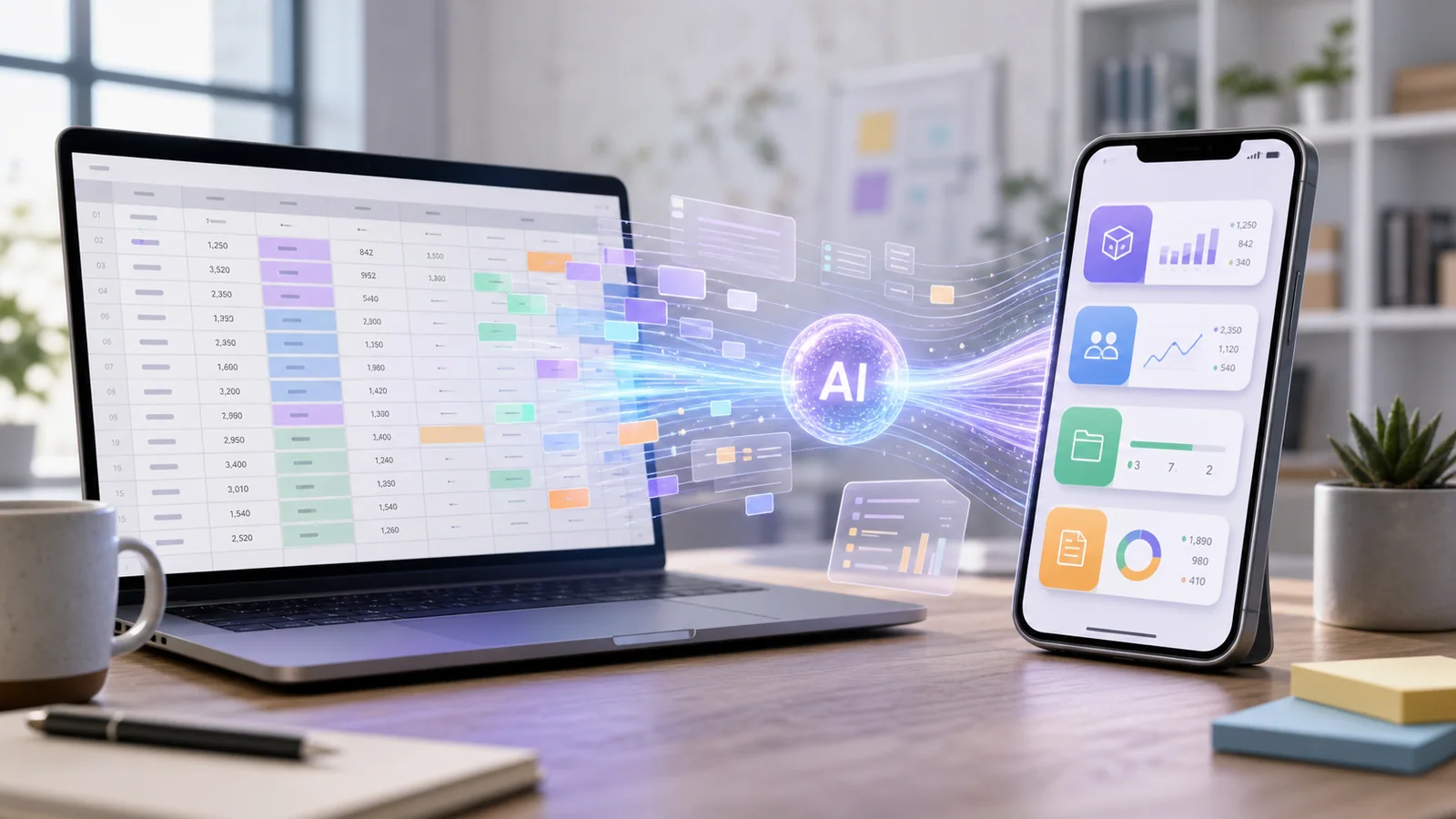
Learn how to convert Google Sheets, Excel, or Airtable into a real app using AI — no coding required. Step-by-step guide with prompt examples for inventory, CRM, project tracking, and invoicing.
Most AI app builders generate pretty screens but no real backend. Learn how to evaluate full-stack AI builders that include databases, APIs, authentication, and deployment — and why it matters for production apps.
The best vibe coding tools for 2026 compared. MeDo, Lovable, Bolt.new, Replit, v0, Base44, Firebase Studio, and Cursor rated on capabilities, ease of use, and output quality.
How small business owners use AI app builders to create custom CRM, scheduling, inventory, and invoicing apps without hiring developers or learning to code.
Step-by-step guide to building a custom CRM with AI. Skip Salesforce and HubSpot complexity — build exactly the CRM your team needs using AI app builders, no coding required.
Understand security and privacy for AI-built mobile apps. Covers data storage, encryption, auth, Apple and Google requirements, GDPR, CCPA, and trust signals.
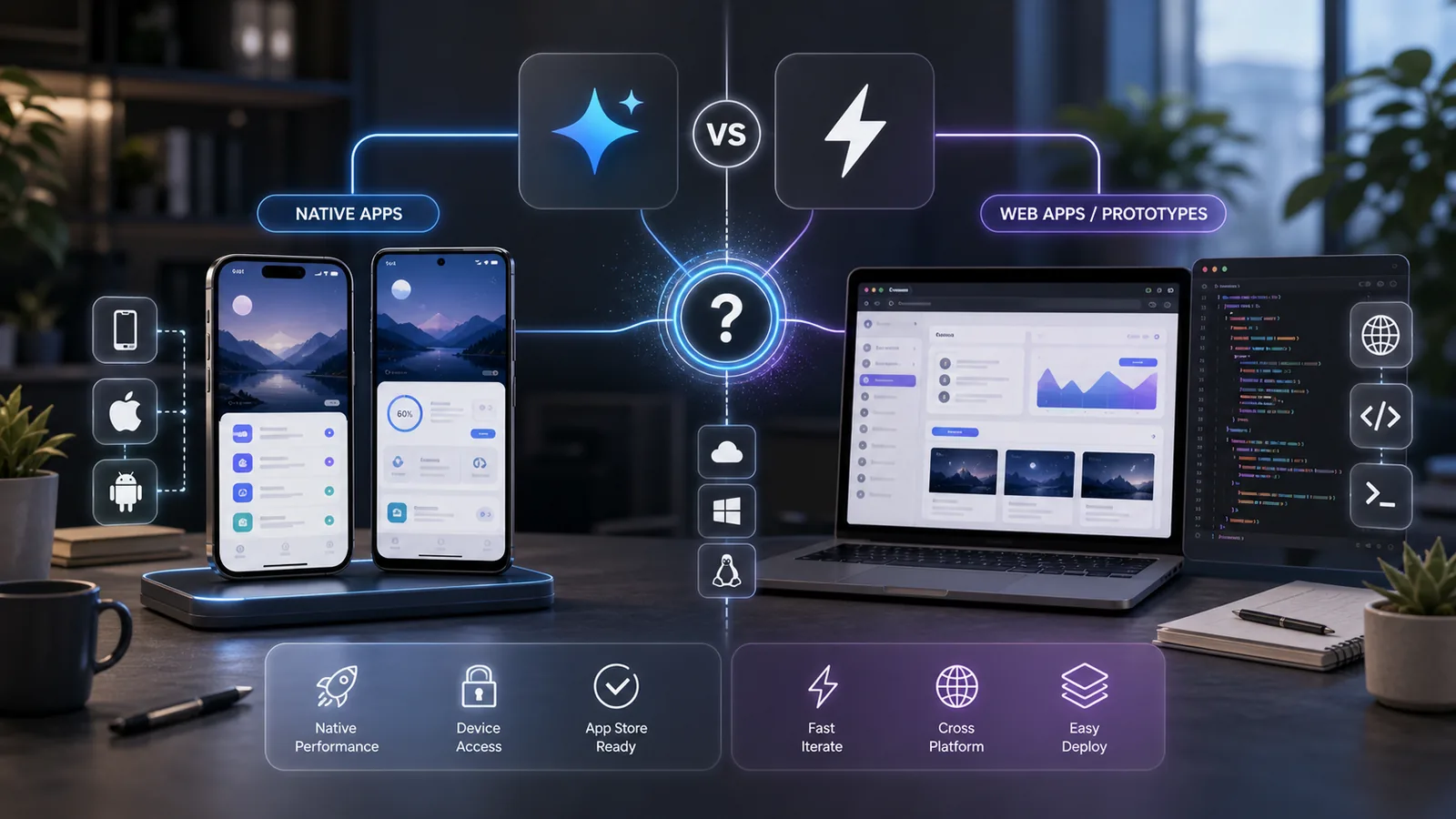
An honest comparison of MeDo and Bolt.new for AI app building. MeDo generates native mobile apps; Bolt.new creates web prototypes in-browser. Here is when to pick each one.
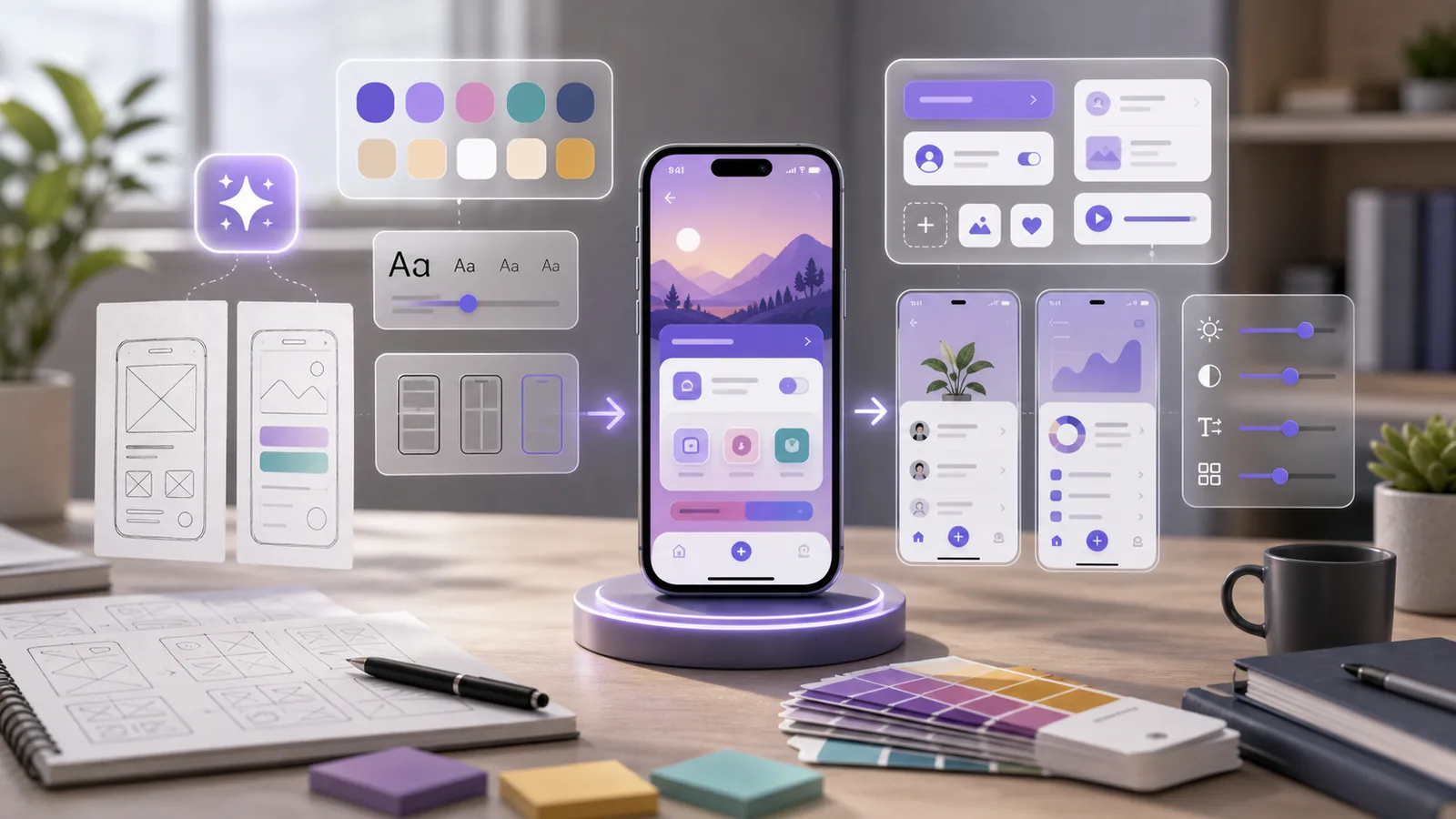
Learn how to create professional mobile app designs without hiring a designer. Covers AI design tools, platform conventions, prompt tips, and when to bring in a pro.
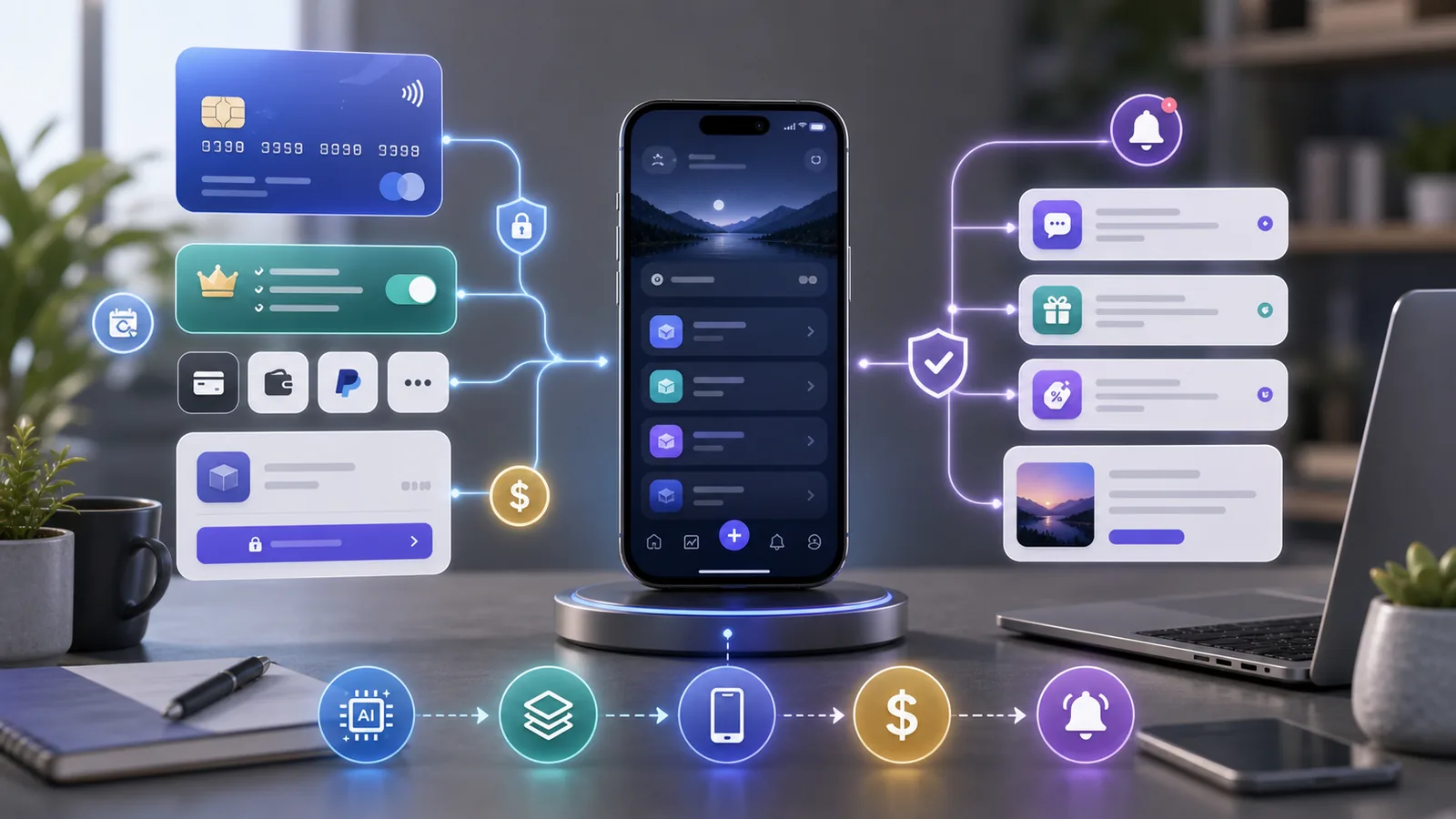
Step-by-step guide to adding Stripe, in-app purchases, and push notifications to an AI-generated mobile app. Covers Apple and Google payment rules for non-developers.
Why startups in 2026 use AI app builders to validate ideas faster and cheaper than hiring developers. Real scenarios for solo founders, pre-seed teams, and side projects.
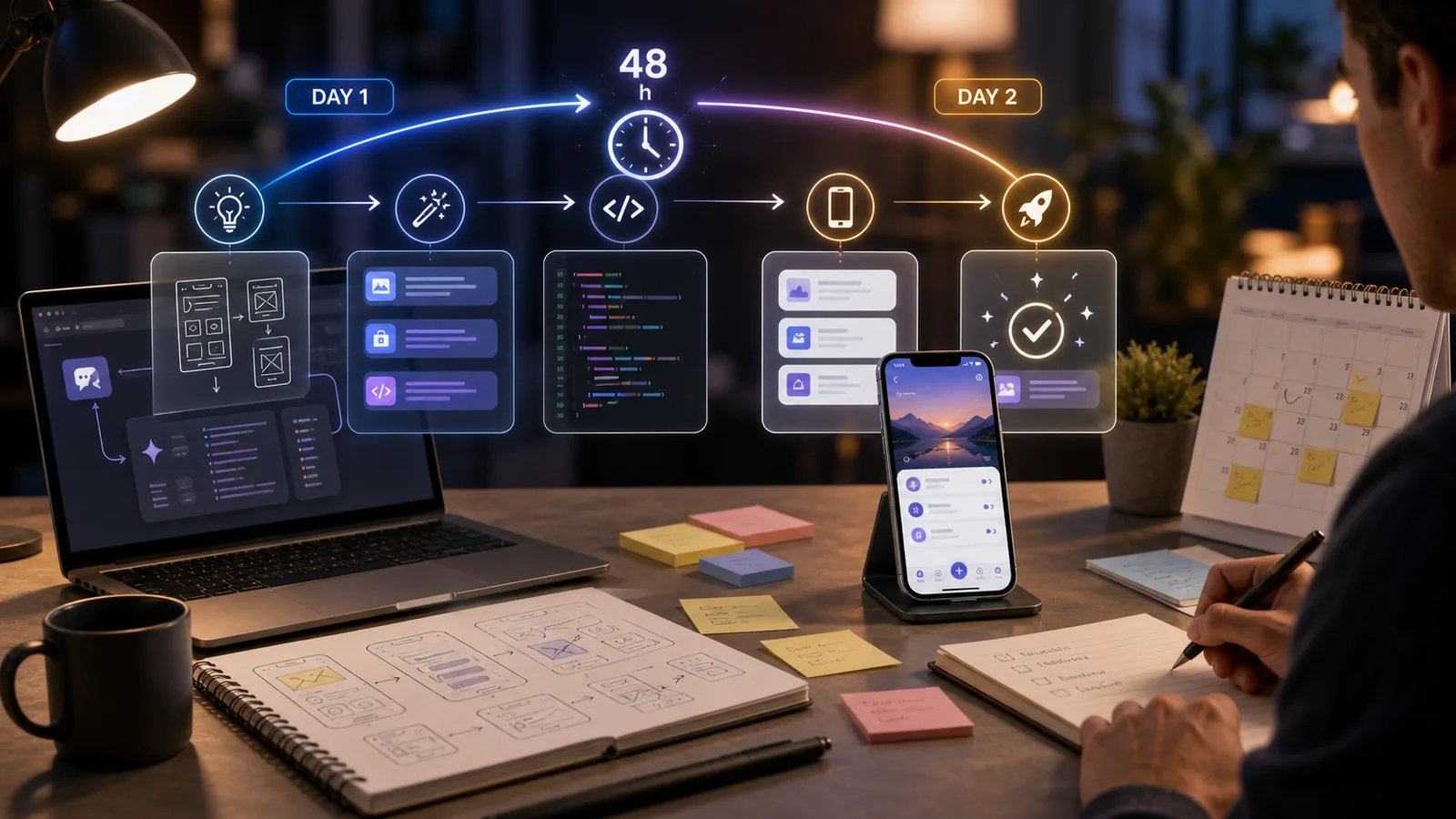
A practical, hour-by-hour timeline for building a functional mobile app MVP in 48 hours using AI tools — including what's achievable, what's not, and where founders get stuck.
Learn which revenue model works best for AI-built mobile apps in 2026. Covers subscriptions, in-app purchases, ads, freemium, and one-time pricing with App Store rules.
Understand what no-code app development really means in 2026 — from drag-and-drop builders to vibe coding to AI-native generation — and pick the right approach for your project.
A practical cost, time, and quality comparison between AI app builders and hiring developers in 2026. Learn when each option makes sense for your project.
A realistic guide to free tiers in AI app builders — what you can build, where the limits hit, and how to decide when to upgrade for native mobile apps.
Native apps vs PWAs vs web wrappers for AI-built mobile apps — performance, App Store compliance, user experience, and cost compared for non-developers in 2026.
An honest comparison of MeDo and Lovable for building mobile apps with AI — native Swift/Kotlin vs web wrappers, real-device testing, and App Store paths compared.
Vibe coding explained for non-developers: what it means, how it works in 2026, and how it differs from traditional coding and no-code tools.
Best AI mobile app builders compared for 2026: native iOS/Android output, App Store publishing, code export, and pricing for non-developers.
Step-by-step guide to publishing an AI-built app on the App Store and Google Play: developer accounts, TestFlight, metadata, privacy, and common rejections.
A non-developer's guide to building real iOS and Android apps with AI vibe coding in 2026: validate your idea, pick a builder, ship to TestFlight and the App Store.